
How to recognize real gold jewellery:
5 simple and reliable methods
There are several methods that can help you determine whether your jewellery is made of gold, even at home. You can check the hallmark, observe the colour, use a magnet, or perform a few simple tests.
Some checks are easy to do yourself. However, an examination by a professional remains the most reliable way to confirm whether a piece of jewellery contains gold.
Before selling a piece of jewellery, it is best to verify its composition. An old, broken, or outdated piece can still have value if it contains gold. The value mainly depends on the weight and the carat.
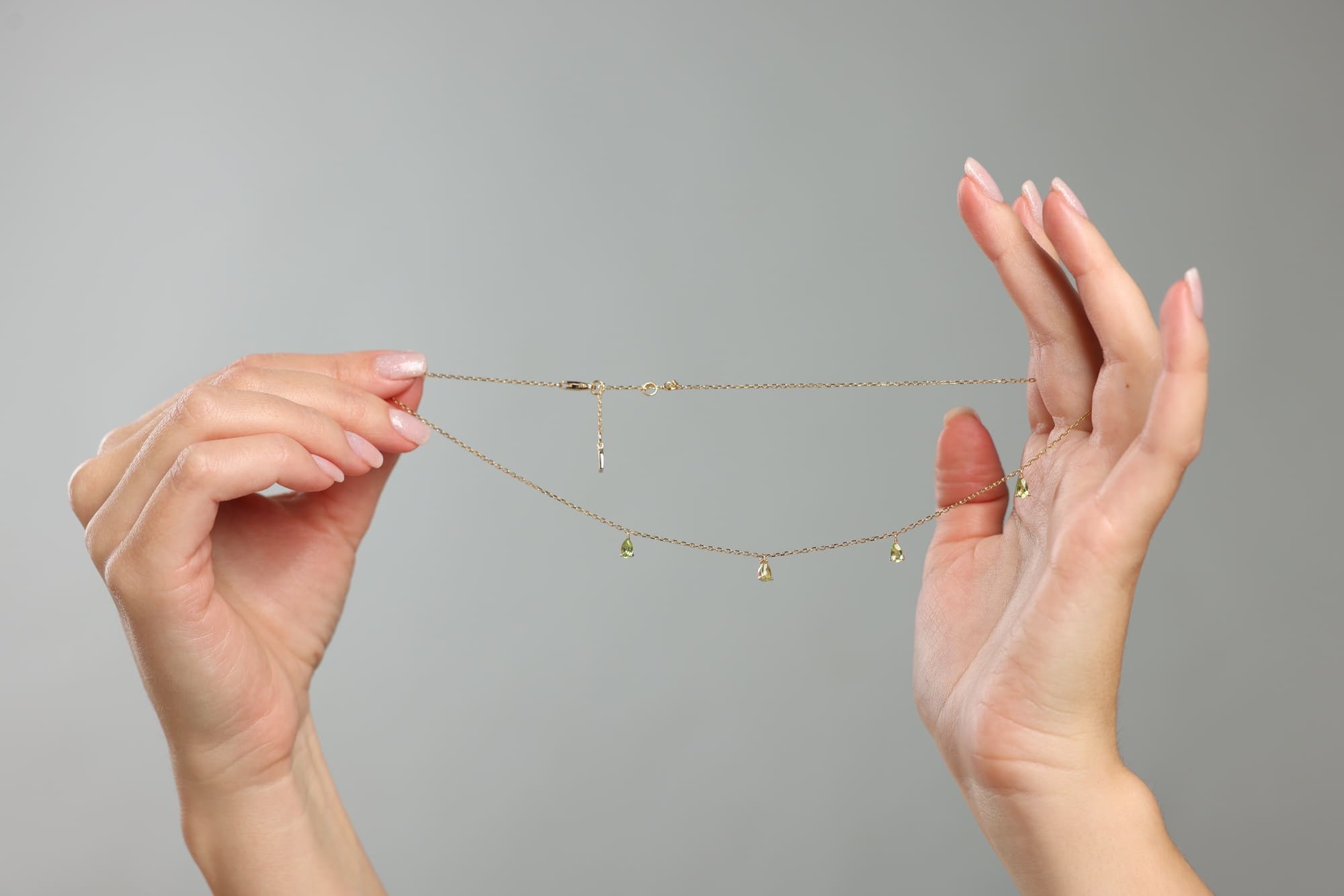

Check the jewellery hallmark
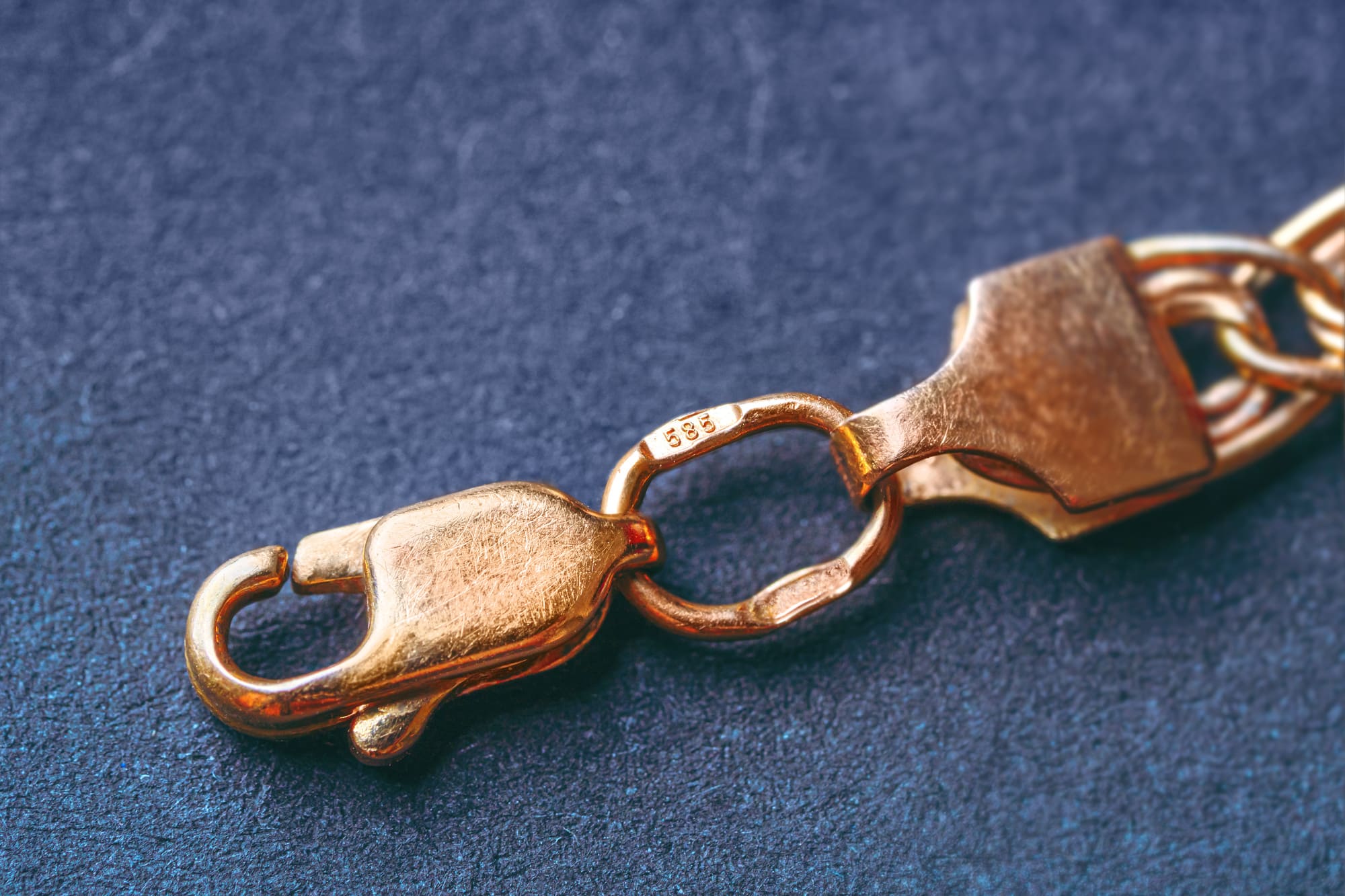
The hallmark is the first element to check when identifying gold. A hallmark is an official mark that indicates the purity of the metal.
Manufacturers often engrave a small mark showing the purity of the metal. This marking usually appears inside a ring, on the clasp of a necklace, or on the post of an earring.
Here are the most common hallmarks:
- 10k
- 14k
- 18k
- 24k
These numbers indicate the proportion of gold in the alloy. An 18-karat piece therefore contains more gold than a 10-karat piece.
Some markings also use numbers, such as 417, 585, or 750. These numbers correspond to the percentage of gold in the metal.
The hallmark is a good indicator. However, some antique pieces or worn family jewellery may no longer have a visible mark.
Observe the colour of the metal
The colour often provides a first clue to determine whether jewellery is made of gold.
Gold has a warm, consistent yellow tone. This colour remains stable over time. Unlike silver, gold does not tarnish.
Several variations exist:
- Yellow gold
- White gold
- Rose gold
These colours come from alloys with other metals.
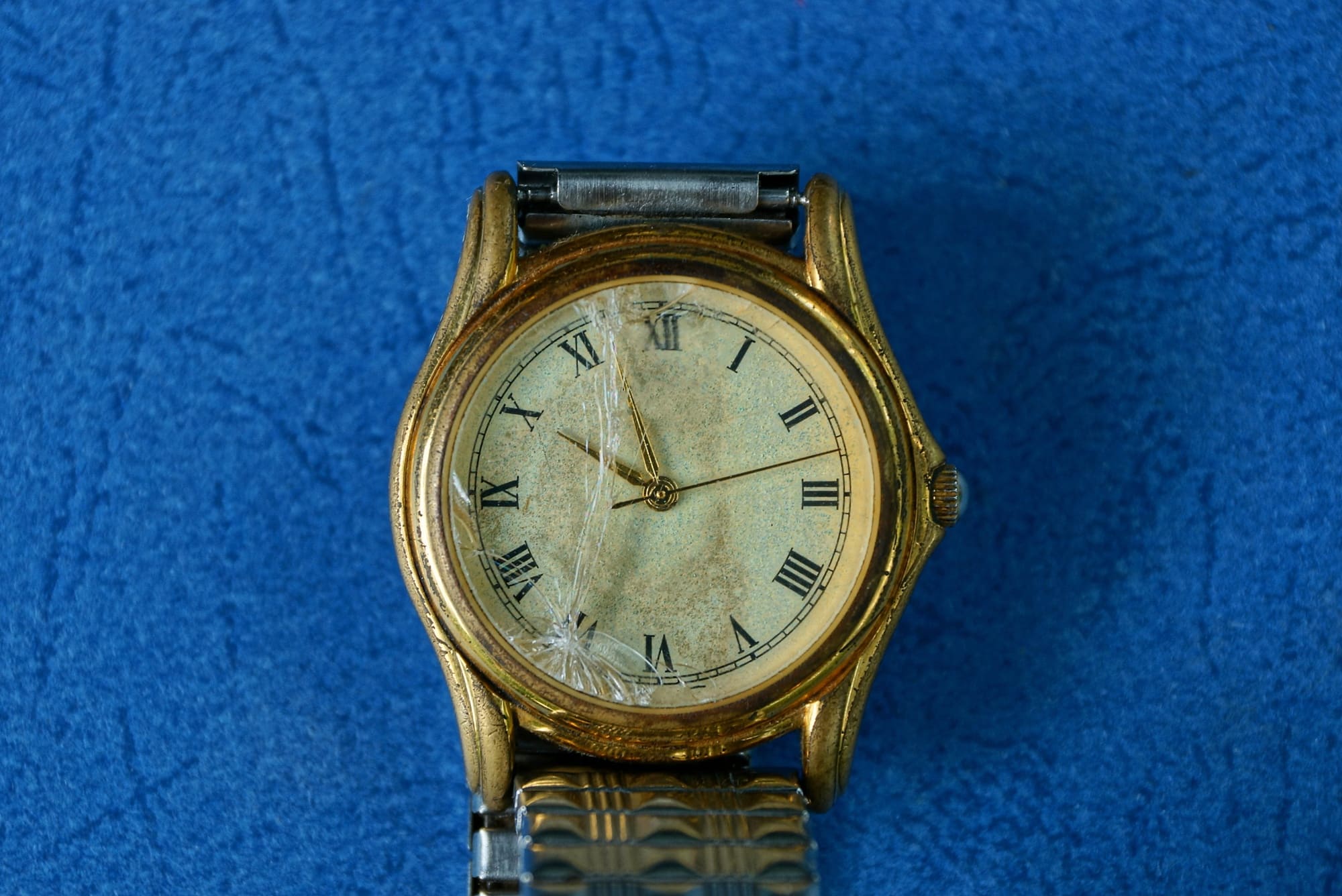
Gold-plated jewellery can also have an attractive golden colour. However, wear often reveals a different metal underneath the surface.
Look at areas exposed to friction. If another colour appears, the piece is probably gold-plated.
Use a magnet
The magnet test is one of the simplest methods. Gold has no magnetic properties. If you place a magnet near gold jewellery, it should not be attracted.
Here is how to perform the test:
- Take a relatively strong magnet.
- Bring it close to the jewellery.
- Observe the reaction.
If the jewellery strongly sticks to the magnet, it likely contains other metals.
This test is quick and easy. However, some non-magnetic alloys may produce a similar result.
This test therefore provides an indication, but not absolute proof.
Test with ceramic
This test is also commonly used to check whether jewellery contains gold.
You simply need an unglazed ceramic surface.
Method:
- Rub the jewellery lightly on the ceramic surface.
- Observe the mark left behind.
A gold-coloured streak often indicates the presence of gold.
A black or grey streak usually suggests another metal.
This test can help quickly identify gold on a ring, chain, or bracelet.
However, it may damage some jewellery. It is best to be cautious with fragile or antique pieces.
The nitric acid test (professional method)
Jewellers often use acid testing solutions specifically designed to test gold.
This method involves applying a specific acid to a small mark on the metal. The chemical reaction reveals the gold karat.
Each solution corresponds to a level of purity:
- acid for 10k
- acid for 14k
- acid for 18k
This test allows professionals to quickly determine whether the jewellery contains gold and identify its purity.
These methods offer much greater precision than home tests.
Have your jewellery checked by a professional jeweller
The most reliable method remains a professional jewellery evaluation.
A jeweller has the tools and experience needed to verify the composition of the metal.
The evaluation allows them to:
- confirm whether the jewellery is made of gold
- determine the karat.
- accurately weigh the metal
These elements are then used to estimate the value of the jewellery.
A jewellery store specializing in gold buying can examine the item directly on-site.
Can you sell broken or old jewellery?
Yes, it is possible to sell broken or old jewellery.
Many people keep damaged jewellery in a drawer for years. However, the condition of the piece matters little in gold buying.
The value mainly depends on two factors:
- the weight of the metal
- the karat of the gold
Even broken, mismatched, or outdated jewellery can still contain gold.
La Puce d’Or jewellery store, specializing in gold buying in Montreal for more than 35 years, can examine your jewellery and determine its value based on the weight and purity of the gold.
FAQ

-
How can I tell if my jewellery is gold without a hallmark?
-
You can observe the colour, perform the magnet test, or use a ceramic surface. These methods provide clues but not certainty. It is therefore best to have the jewellery analyzed by a jeweller such as La Puce d’Or Jewellery Store.
-
Does gold attract magnets?
-
No. Gold has no magnetic properties. If a piece of jewellery is attracted to a magnet, it contains other metals.
-
How can you tell if jewellery is gold-plated?
-
Look at worn areas. Gold-plated jewellery often reveals a different metal underneath the surface. Markings such as GP (gold plated) may also appear.